APHEX TWIN TEES BY HENRY JOHNSON (2025)

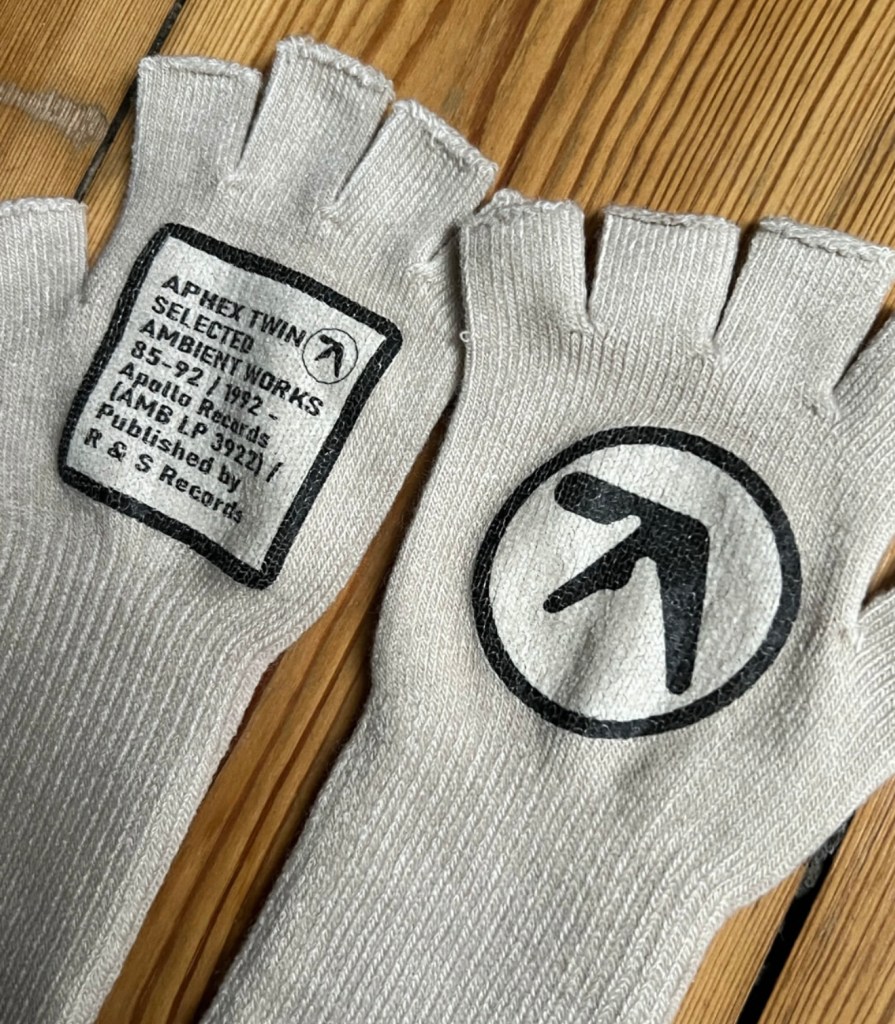
HENRY JOHNSON has been cranking out some amazing screen printed garms for a minute in his NYC Studio, the craftsmanship of this one is just amazing featuring his take on Aphex Twin’s I Care because you do. This tee along with another Burial tee is launching in Henry’s shop Friday. For more artifacts seek us at the GALLLERY.

TRENT REZNOR AND NINE INCH NAILS IN CROSSBEAT MAGAZINE (1997)

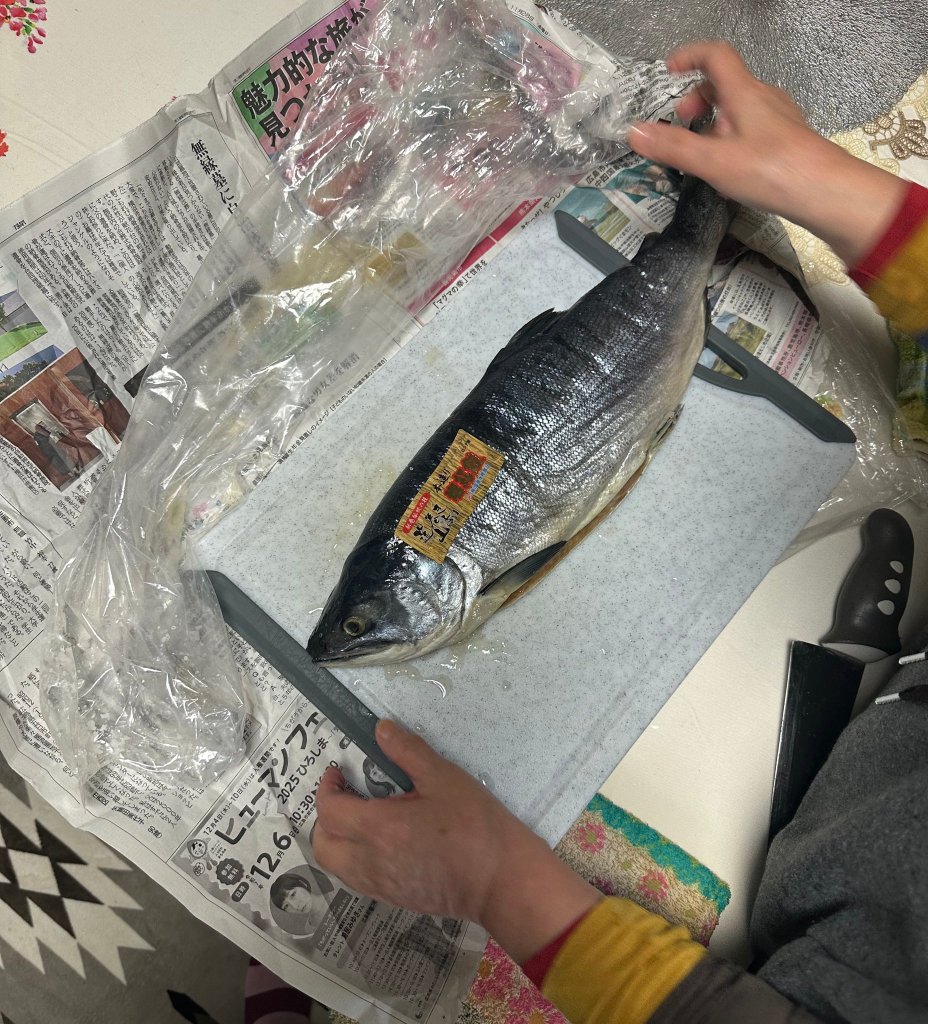
I’m pretty obsessed with vintage magazines and vintage magazine scans if you can’t tell. I came across this rare item earlier, its vintage Reznor and even a David Bowie cameo. For more rare items and artifacts, seek us, the GALLLERY waits.

Article English Translation

Nine Inch Nails in Transition: Breaking the Spiral (1997)
By the late 1990s, Nine Inch Nails stood at a turning point. After the enormous impact of The Downward Spiral, Trent Reznor faced a problem few artists openly admit: repeating himself too well. The emotional weight, the obsession with inner collapse, the fixation on the first-person “I” — these elements had defined Nine Inch Nails, but they were also becoming a creative trap.
Rather than doubling down on familiar darkness, Reznor began questioning whether continuing along the same path would narrow his future. Growth, for him, meant resistance — resisting expectations from fans, critics, and even from his own past successes.
Escaping Repetition
Reznor acknowledged that certain themes had appeared again and again in his work. They were honest, but honesty alone wasn’t enough anymore. He became wary of turning intense emotions into a formula. If Nine Inch Nails was going to survive as a meaningful project, it needed new angles — musically and emotionally.
This wasn’t about abandoning intensity, but about changing how it was expressed.
Rhythm, Groove, and a New Foundation
One of the most striking shifts discussed in this era was Reznor’s growing interest in rhythm-driven music. Funk, blues, and groove-based structures — influences often associated with artists like Prince — began to reshape how he approached songwriting. Instead of songs built purely on atmosphere and distortion, he became more focused on movement, pulse, and physical energy.
The goal wasn’t to make dance music, but to let rhythm become a destabilizing force. The result was music that felt tighter, more aggressive in a different way, and less dependent on sheer density.
Reznor described this approach as something close to an “explosion of stereo,” where sound design and rhythm collide rather than simply overwhelm.
Control, Isolation, and the Studio
By this point, Reznor was deeply embedded in the role of producer and architect. Nearly every element — from sound design to visual concepts — passed through his hands. While this level of control gave Nine Inch Nails its distinct identity, it also came with pressure.
Working largely alone meant there was no one to hide behind. Successes and failures landed squarely on him. Yet that isolation also allowed him to push ideas further than a traditional band structure might allow.
Context: Collaborations and the Wider Scene
The interview places Nine Inch Nails within a broader cultural moment. Reznor’s involvement with other artists and projects during the mid-1990s — including production work and soundtrack contributions — helped him break out of his own echo chamber.
These collaborations weren’t distractions; they were pressure valves. Seeing how others worked, especially artists with strong identities of their own, reinforced the idea that reinvention was not only possible but necessary.
Not Chasing Cool, Just Forward Motion
Reznor pushed back against the idea of trends. His motivation wasn’t relevance or popularity, but momentum. Standing still felt more dangerous than failure. If Nine Inch Nails was going to move forward, it had to risk alienating people who wanted the past preserved exactly as it was.
That willingness to disrupt his own image is what made this period so important. It wasn’t a clean break, but a reconfiguration — familiar emotions expressed through unfamiliar structures.
A Project Still Becoming
What comes through most clearly is that Nine Inch Nails, even after massive success, was still unfinished. Reznor didn’t speak like someone who had arrived at a final form. Instead, he sounded restless, self-critical, and determined to avoid creative stagnation.
In hindsight, this moment feels like the calm before another transformation — a point where the spiral didn’t end, but bent into a new shape.